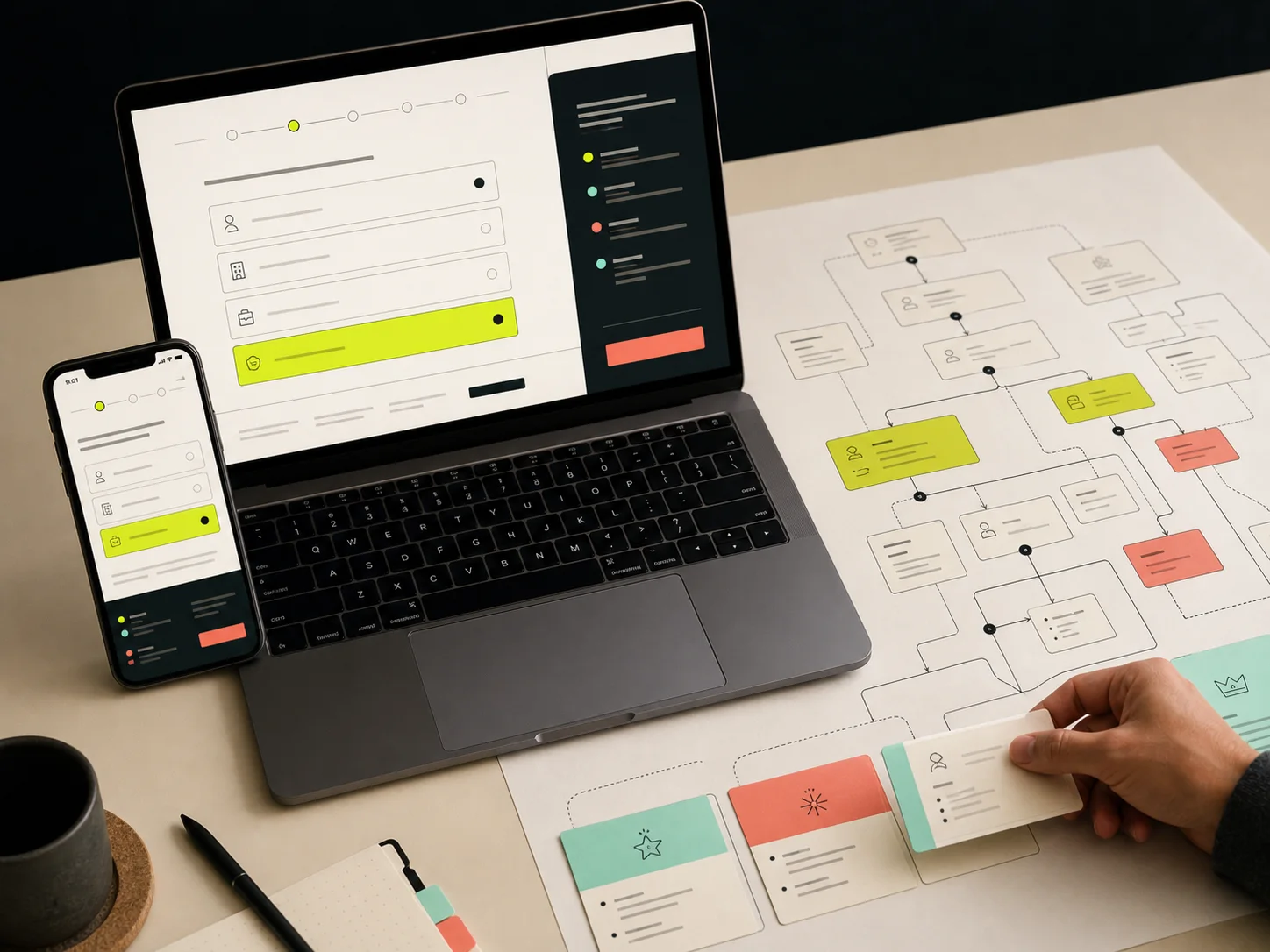
Why does a quiz change the media buy?
A quiz or content flow asks the user to keep participating after the paid click. That makes the first arrival an incomplete result. The buyer needs to know whether each source sends people who begin, continue, and reach the event that gives the visit value.
This changes the creative too. An ad for an interactive experience should promise the experience honestly, not borrow the language of an instant result or a direct purchase. A misleading expectation can produce cheap visits that leave as soon as the first question appears.
What signal should exist before launch?
Define one primary event that represents useful progress, then keep earlier interactions available for diagnosis. The primary event might be a completed experience, a result view, or a later conversion. Starts and step views are useful supporting signals, but they should not all compete for the campaign budget.
Google Ads distinguishes primary conversion actions used for bidding from secondary actions used for observation. That is a useful operating model even when the campaign runs on another channel: choose the event that should influence allocation, then use the rest to explain why performance changed.
Sources: Google Ads: primary and secondary conversion actions
How should creative set the expectation?
The ad should tell the user what kind of interaction comes next. A quiz, survey, article, and game each ask for a different amount of attention. Creative that hides the format may increase the click-through rate while lowering the share of visitors who meaningfully engage.
Carry the same subject, vocabulary, and visual cues into the first screen. Google Ads requires destinations to be functional, useful, and easy to navigate, and it treats misleading controls and obstructive experiences as policy problems. Accurate message match protects both performance and the account relationship.
How do you test traffic sources without muddying the result?
Start with a limited set of separated tests. Keep source, placement, creative, device, and destination visible in reporting so one strong pocket of traffic cannot hide inside an account average. Give each test enough spend to reach a readable result, then expand the combinations that clear the target.
Avoid changing the ad, audience, and flow at the same time. The result may improve, but the team will not know what caused it. A clean test changes one main variable and names the signal expected to move before spend begins.
- Source and placement
- Creative promise
- Device and geography
- Start, progress, and value events
Which engagement numbers matter?
Engagement rate is a useful diagnostic, not a universal conversion. Google Analytics counts a session as engaged when it lasts longer than 10 seconds, includes a key event, or reaches at least two page or screen views. A quiz operator usually needs more specific events tied to the actual experience.
Read the full sequence: landing, start, progress, result, and the business event that follows. A source can look weak at the start and still produce more valuable completions. Another can generate many starts that disappear before the outcome. Budget should follow the economic result, with engagement explaining the path.
Sources: Google Analytics: engagement rate and engaged sessions
When is traffic not the problem?
If several sources produce the same sharp exit at the same step, the destination deserves attention. The buying team should surface that pattern early, but ownership stays clear: the partner owns the questions, content, and product experience. Amplify owns the paid traffic and the reporting around it.
That boundary improves the working relationship. The buyer can identify where the loss appears without pretending to be the product team. The partner can decide whether to change the experience, and the next traffic test can show whether that change affected the intended signal.
Common questions
Does Amplify build quiz funnels or content flows?
No. The partner owns the flow, questions, content, and product decisions. Amplify buys traffic into the live experience, measures traffic quality, and reports where source, creative, audience, or destination patterns appear.
What should a quiz traffic campaign optimize for?
Use the earliest event that reliably represents downstream value. Completion may be right for one flow, while a result view or later conversion may be stronger for another. Keep earlier steps as diagnostic events instead of treating every interaction as equal.
Which channels work best for interactive traffic?
The answer depends on the audience, creative, flow, and value target. Search, paid social, native, in-app, and display can each produce different user behavior. Run separated tests and let post-click quality determine the channel mix.
What to test next
Choose the handoff that is costing the campaign the most, then define one change and the signal that should move. A narrow test is easier to read and easier to act on.
Ask Amplify to review the media plan or explore our traffic for quiz and content flows.